

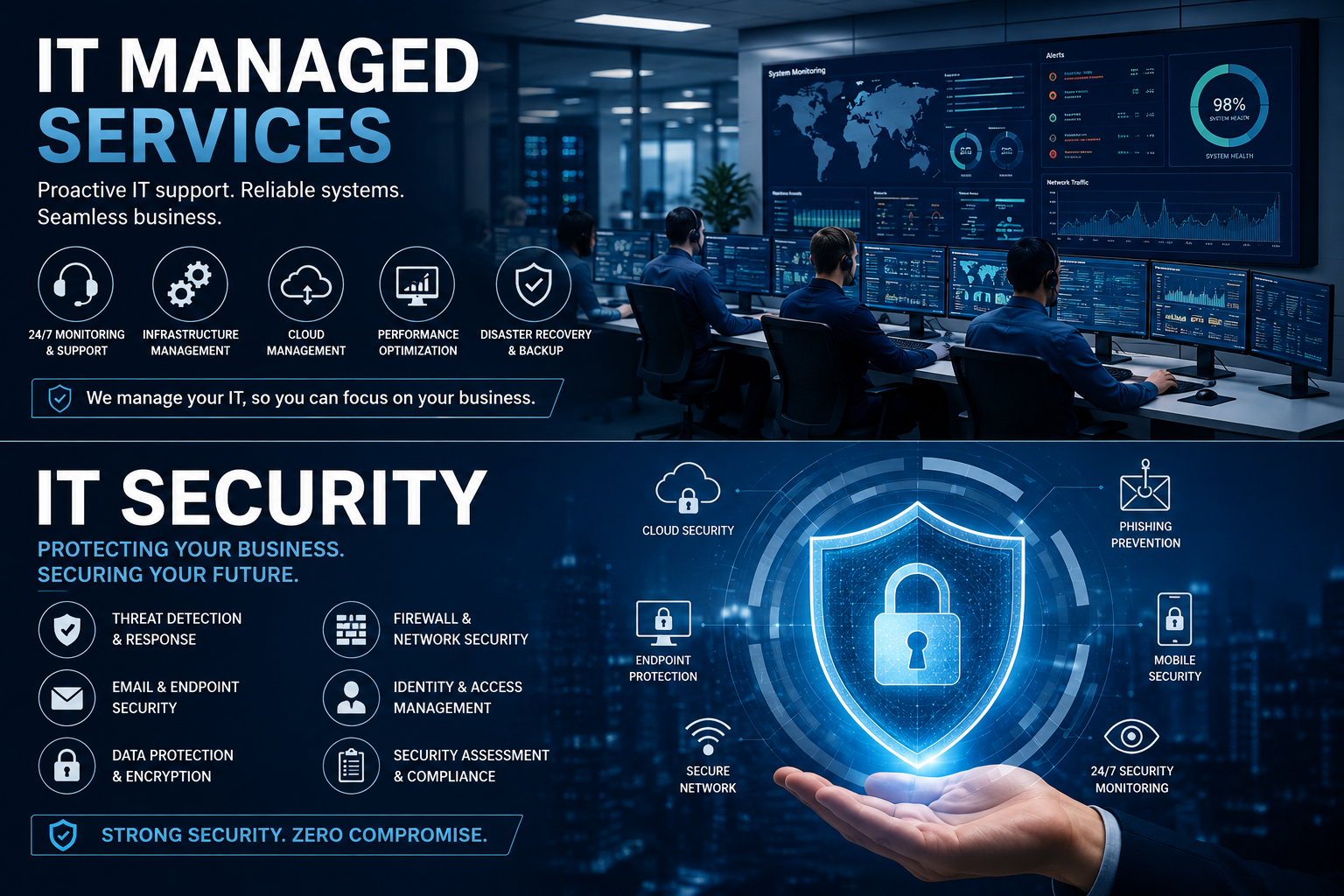
Technology now touches nearly every business function, creating a broad range of responsibilities for internal teams. Maintaining systems, supporting employees, managing access, protecting data, and planning upgrades can require expertise across several technical disciplines.
IT outsourcing firms can supplement internal resources by taking responsibility for selected technology activities. Businesses can use this approach to access additional expertise while maintaining control over organizational priorities.
Identify the Reason for Outsourcing
Businesses should first define what they want outsourcing to accomplish.
Some organizations need additional technical capacity. Others require expertise for specific systems or projects. Another business may want more consistent handling of routine maintenance.
Clear objectives make it easier to determine which responsibilities should be assigned externally.
Define the Scope Carefully
Ambiguous responsibilities can create delays and misunderstandings.
Businesses should document which activities remain internal and which are handled externally. The scope might include employee support, infrastructure maintenance, security activities, project work, or selected administrative tasks.
IT outsourcing firms can function more effectively when responsibilities and escalation paths are established from the beginning.
Maintain Internal Ownership of Priorities
External technical support should align with business goals rather than determine them independently.
Internal decision-makers need visibility into major technology decisions, operational risks, and future requirements.
This oversight ensures that technical activity continues to support organizational priorities.
Establish Communication Procedures
Technology problems often affect employees outside the IT function.
Organizations should therefore define how incidents, planned changes, and ongoing projects are communicated.
Regular updates help internal teams understand progress and identify new requirements before they become urgent.
Manage Access With Care
External specialists may need privileged access to systems. Businesses should control these permissions carefully.
Access should be limited to what each role requires. Accounts should be reviewed periodically and removed when they are no longer necessary.
Logging significant administrative activity can also strengthen accountability.
Preserve Business Knowledge
One potential challenge with outsourced work is allowing important technical knowledge to remain undocumented.
Organizations should maintain records covering systems, configurations, procedures, significant changes, and recovery processes.
Documentation allows internal leaders to retain visibility and makes transitions easier if responsibilities change later.
Prepare for Operational Disruption
Businesses should clarify responsibilities during major incidents before those incidents occur.
Who investigates a network interruption? Who communicates with employees? Who decides whether recovery procedures should be initiated?
Documented escalation paths can reduce uncertainty during stressful situations.
Review the Arrangement Periodically
Business requirements can change significantly over time.
An outsourcing arrangement established for a smaller organization may need adjustment after growth, new applications, or changes in working practices.
Periodic reviews can examine recurring incidents, support demand, security concerns, upcoming projects, and employee feedback.
Integrate External and Internal Teams
The strongest working relationships often function as coordinated teams rather than isolated groups.
Internal employees bring knowledge of business operations, while external specialists contribute technical capabilities.
Sharing relevant information allows both sides to make better decisions.
Keep Long-Term Planning in View
Outsourcing should not focus solely on today’s support queue.
Organizations also need to consider aging equipment, capacity, upcoming software changes, security improvements, and business expansion.
Planning these requirements in advance reduces reactive decision-making.
Conclusion
IT outsourcing firms can help organizations extend technical capabilities and create more consistent processes around selected IT responsibilities.
Successful outsourcing depends on clarity rather than simply transferring tasks. Businesses should define objectives, establish responsibilities, maintain internal oversight, protect access, document systems, and review performance regularly.
When external expertise and internal business knowledge work together effectively, organizations can create a technology environment that remains responsive to immediate requirements while supporting longer-term plans.