
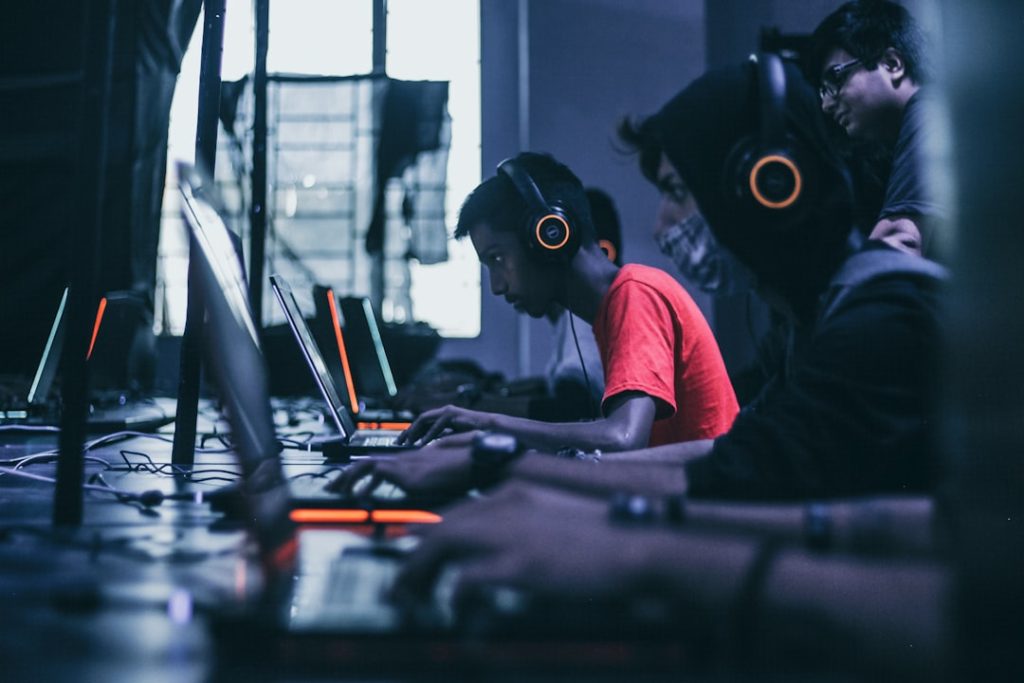
In the ever-evolving landscape of gaming, where pixels and players intertwine, the significance of game community management cannot be overstated. This vibrant ecosystem is where passion, creativity, and communication come together to shape unforgettable experiences. But what exactly does it mean to manage a game community? How can developers and players alike thrive in this digital playground? Let’s dive into the art and science of game community management and explore its multifaceted nature.
First and foremost, game community management is about fostering a sense of belonging. Gamers are not just consumers; they are part of a larger narrative, and effective community managers are the storytellers. They create spaces—whether on forums, Discord servers, or social media—where players can connect, share their experiences, and support one another. It’s essential for community managers to engage actively, responding to feedback, celebrating achievements, and mediating conflicts. This role requires a unique blend of diplomacy, empathy, and enthusiasm.
One of the most important aspects of community management is understanding the psychology behind gaming. Gamers seek not just entertainment, but also camaraderie, achievement, and escapism. By tapping into these motivations, community managers can create initiatives that resonate deeply. For instance, organizing in-game events, contests, and community challenges can elevate engagement levels and encourage players to participate. Think about it: who wouldn’t want to showcase their skills or earn exclusive rewards while connecting with fellow gamers?
As the digital landscape continues to evolve, so too do the tools and strategies available for community management. Emerging trends such as virtual reality and augmented reality open new avenues for engagement. Imagine hosting virtual meetups or tournaments where players can interact in immersive environments. This innovative approach not only enhances the gaming experience but also reinforces community bonds.
On the other hand, let’s not forget about the importance of inclusivity in game communities. A welcoming environment is crucial for fostering diverse player bases. Community managers should strive to create policies and guidelines that promote respect and discourage toxicity. By implementing a zero-tolerance policy for harassment and encouraging constructive feedback, they can build a culture where every voice is valued.
Budget-friendly options for community management are also gaining traction, particularly for indie developers and smaller studios. While larger companies may have the resources for expansive community teams, smaller entities can leverage tools like social media scheduling apps, Discord bots, and community management platforms to engage their audience effectively without breaking the bank. These cost-effective solutions empower even the smallest teams to build thriving communities around their games.
Moreover, game community management is not solely about the present; it’s about building for the future. Feedback loops are critical. Developers should view their community as a valuable source of insights and ideas. Regularly soliciting player feedback through surveys or direct communication can lead to improvements that resonate well with the community. It’s a symbiotic relationship; players feel heard, and developers gain actionable insights to enhance the gaming experience.
As we navigate this digital age, the role of community management is becoming increasingly significant. It is no longer just about moderation and maintenance; it’s about strategic engagement and building lasting relationships. Communities that thrive often have dedicated managers who understand the pulse of their players and adapt to their needs. This dynamic relationship leads to loyalty and, ultimately, a stronger player base.
In conclusion, the art of game community management is a multifaceted discipline that combines psychology, strategy, and creativity. Whether you’re an indie developer or part of a major gaming studio, the principles of community management remain the same: create a sense of belonging, foster inclusivity, leverage technology wisely, and, most importantly, listen to your players. As we continue to explore the vast realms of gaming, let us not forget the heart of it all—the community that makes every game a vibrant and unforgettable experience.